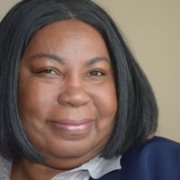
 By: Akunna Izugbokwe
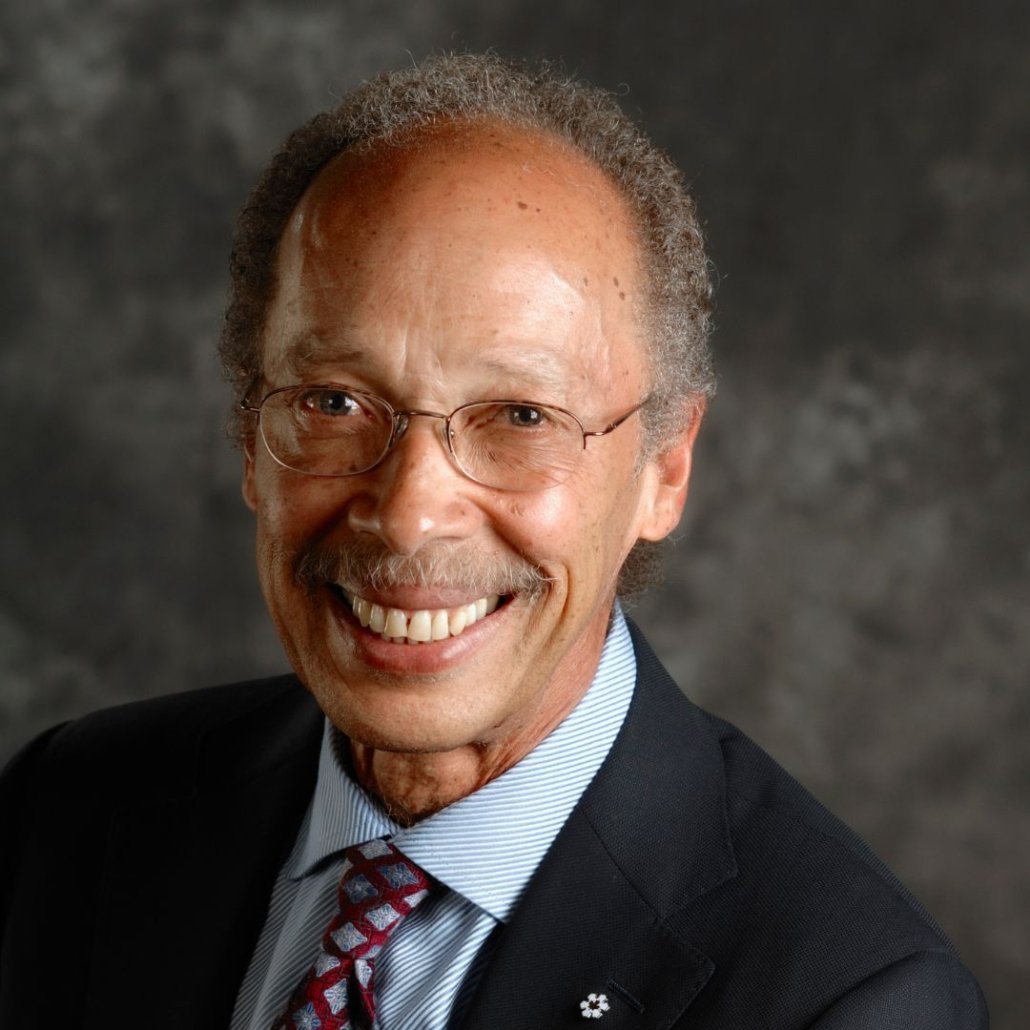
A Lifetime of Sacrifice and Success: The Father of Cancer‑related Health Technology Assessment in Canada, Dr. Anthony Fields
In a healthcare system that has historically overlooked the needs of Black populations, Black physicians provide hope for improved trust, equity and outcomes. Dr. Anthony Fields (CM, MA, MD, FRCP(C), FACP) is one such figure, known for his humility, vision, and dedication to transforming one of the most complex health sectors: cancer care.
From the Caribbean to Canada
Dr. Fields emigrated from Barbados to study natural sciences at Cambridge. His later move to Canada was different in purpose. He arrived planning a future with his Canadian spouse, not expecting to return to school. Through vocational counseling, medicine emerged as an unexpected calling. He earned his medical degree at the University of Alberta (UofA), followed by postgraduate training in internal medicine and oncology through the University of Toronto system. In 1980 he joined Edmonton’s Cross Cancer Institute (CCI), specializing in gastrointestinal cancers. Within a decade, he led an expansion that doubled the institute’s size and capacity.
Leadership and Contributions
Beyond clinical care, Dr. Fields assumed leadership roles at the CCI, Alberta Health Services, and the UofA, where he served as Acting Chair during the inception of the Department of Oncology. Committed to accessible healthcare, he helped establish Alberta’s eleven community cancer centres, and initiated Alberta’s expansion of radiation therapy services. Nationally, Dr. Fields developed Canada’s first comprehensive cancer control plan, and spearheaded a pan‑Canadian organization to evaluate new cancer medications, earning recognition as the Father of Cancer‑Related Health Technology Assessment.
Legacy and Inspiration
For aspiring Black healthcare professionals feeling the weight of expectations, Dr. Fields offers guidance rooted in purpose over preoccupation with stereotypes. He encourages them to “embrace the tenets of continuous improvement,” noting his ethnicity did not consciously influence his decisions or leadership. His excellence naturally dispelled any assumptions.
Dr. Fields’ four-decade career was marked by collaboration and humility. His impact is especially significant for the Black community, which faces disproportionately high cancer mortality and late-stage diagnoses. By strengthening systems, expanding access, and prioritizing equity, Dr. Fields’ work continues to benefit generations of patients and staff nationally.